
Marine, Transport & Logistics

Vertical 02

Marine, Transport & Logistics

From commercial marine assets to logistics infrastructure and specialist transportation requirements, Ventra connects buyers, operators, owners and suppliers across international markets.

The market

Why this vertical works the way it does.

Marine and logistics markets are relationship markets. Tonnage, corridor capacity and specialist equipment move between parties who already know each other, and public listings usually represent what could not be placed privately.

Ventra begins with specification: class, tonnage, build year, flag, trading area, delivery window, or in logistics, corridor, volume, bonded requirements and service level. That specification is then mapped against owners, managers, operators and yards with real, available capability.

Availability and commercial willingness are tested before any introduction. Chartering, contracting and technical inspection remain with the principals and their appointed brokers and surveyors.

Focus areas

What we originate in this vertical.

Commercial vessels
Maritime equipment
Marine technology
Fleet opportunities
Logistics operators
Commercial transportation
Warehousing
Port-related equipment
Project cargo
Specialist transportation requirements
Supply-chain partnerships

In the field

What a requirement looks like in practice.

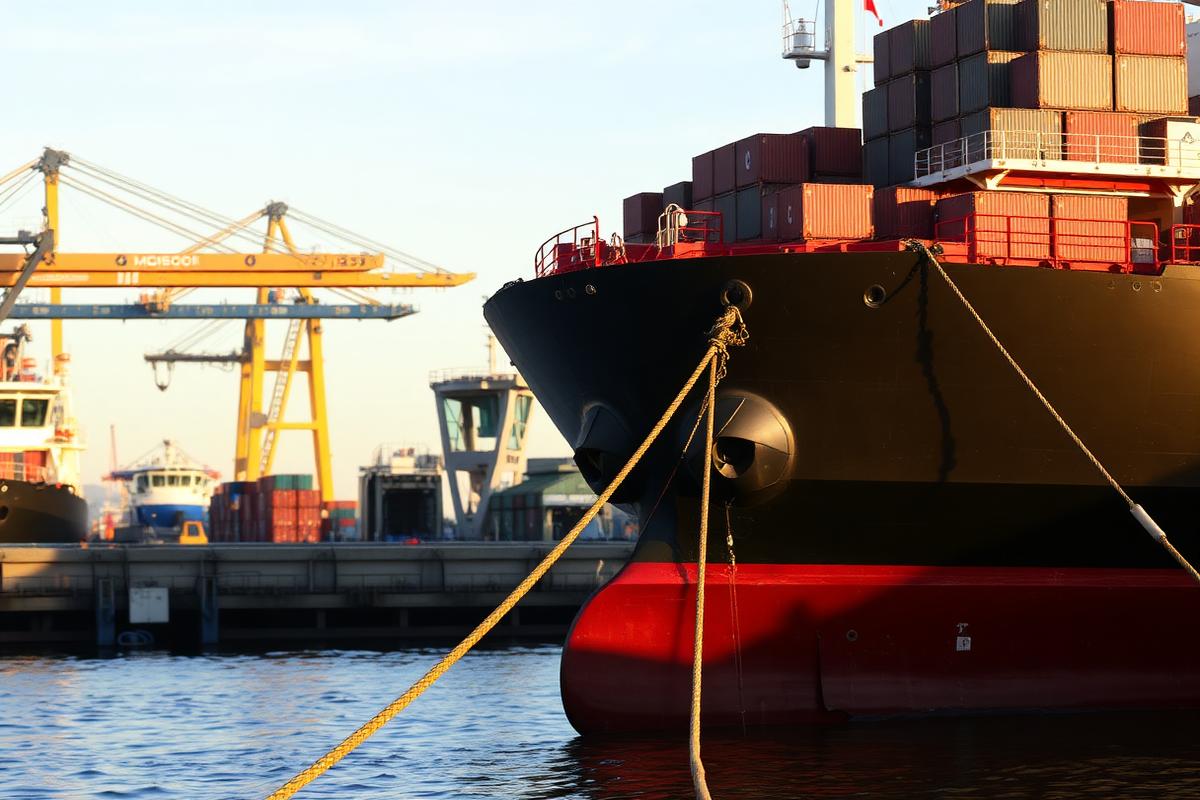
Cargo vessel moored at a container terminal
Vessel and tonnage requirements matched to verified owners and operators.
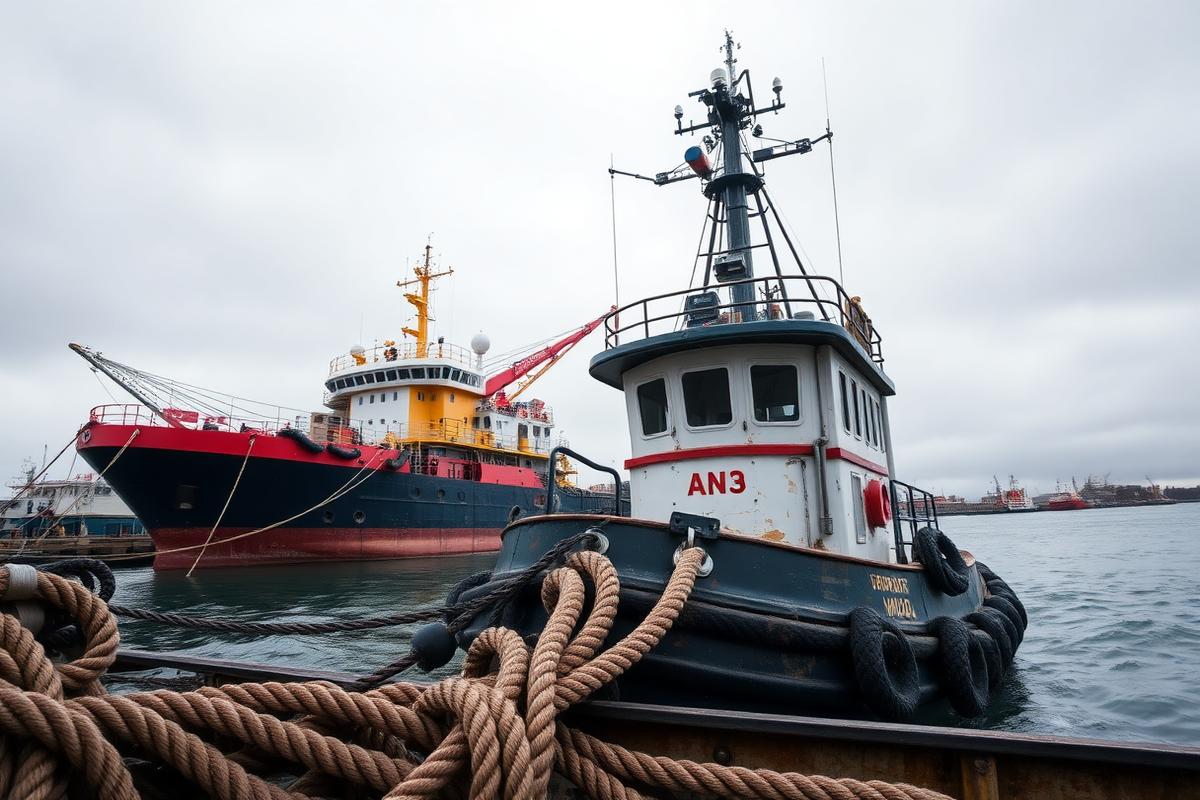
Support vessel and tug in a working harbour
Support craft, workboats and port side capacity across trading routes.

How we work here

Origination discipline applied to this market.

01

Specification led

Vessel class, tonnage, build year, classification society, flag and trading area define the search before any counterparty is approached.

02

Operator access

Owners, managers and operators are approached directly rather than through public listings.

03

Route and capacity mapping

Logistics requirements are mapped against operators with real capacity on the relevant corridors.

8 regions

covered in a typical maritime origination brief

100%

of counterparties reviewed for authority before contact

What this changes for you

The commercial effect of working through Ventra.

Indicative figures drawn from how requirements in marine & logistics typically progress. They describe the working method, not a guarantee of outcome.

3x

more qualified counterparties per requirement

Owners, operators and yards are approached in parallel, which widens the field of realistic options rather than relying on one broker relationship.

50%

less time spent verifying availability

Real availability, class position and operating status are confirmed before a client is asked to spend management time.

9 of 10

requirements matched outside the client's existing network

Access extends beyond the counterparties a client already knows, which is where competitive terms usually sit.

Credibility

Why a Ventra introduction carries weight.

Vessel ownership, classification, flag and operational status are verified before an owner or operator is approached. Buyers and charterers know that any introduction from Ventra has already passed an authority and capability screen.

Counterparties on both sides of a mandate are reviewed for authority, documentation and genuine commercial intent before any contact is exchanged. That verification is what turns an enquiry into a conversation worth having.

Counterparties

Who we engage with in this market.

Every counterparty is reviewed for authority, documentation and genuine commercial intent before an introduction is considered.

01

Shipowners and managers

02

Charterers and operators

03

Shipyards and equipment suppliers

04

Freight forwarders and 3PL operators

05

Port and terminal operators

Engagement

How a mandate progresses in this vertical.

01

Specification

Class, tonnage, build year, flag, trading area and delivery window are fixed before outreach.

02

Owner and operator mapping

We identify holders of the relevant assets or corridor capacity rather than relying on listings.

03

Capacity verification

Availability, condition and commercial willingness are tested before an introduction is made.

04

Introduction

Qualified owners, operators or suppliers are introduced directly to the principal.

What a client receives

Deliverables.

  • Technical and commercial specification sheet
  • Owner, operator and yard shortlist
  • Corridor and capacity assessment
  • Verified availability status
  • Direct principal introduction

Common questions

Before you engage.

Do you handle chartering?

Ventra originates and qualifies relationships. Chartering and contracting is executed by the parties and their brokers.

Which regions do you cover?

European markets are the core, with active relationships in the Middle East, Africa, Asia-Pacific and the Americas.

Selected engagements

Anonymised examples from this vertical.

Counterparties, locations and commercial terms are withheld. Commercial structures are success-based: Ventra is compensated when the deal concludes.

Ref MA-208Marine & Logistics

Vessel acquisition against a fixed specification

Brief

An operator required a commercial vessel within a defined class, tonnage and build-year band, with delivery inside a fixed trading window.

Engagement model

Buy-side mandate. Specification led, direct owner and manager outreach, availability verified before introduction.

Outcome

Three vessels were introduced to the principal for inspection, with chartering and contracting handled by the client's own brokers and surveyors.

Commercial

Fee structured as a success payment on conclusion of the sale or charter arrangement.

8 regions

covered in the origination brief

3

candidate vessels verified and introduced

Ref MA-221Marine & Logistics

Recurring project cargo corridor

Brief

An industrial exporter needed a logistics partner with real capacity and bonded warehousing on a recurring corridor into Central Europe.

Engagement model

Capability mandate. Corridor and capacity mapping, service-level verification, direct operator introduction.

Outcome

Two operators entered commercial discussion with the exporter for a multi-year recurring movement agreement.

Commercial

Commission on the contracted volume or agreement value, paid as the deal is concluded.

2

operators qualified and introduced

Multi-year

structure targeted, not spot volume

Typical requirements

The shape of a mandate in this vertical.

01

We require a commercial vessel with these specifications and delivery window.

02

We require a logistics partner with bonded warehousing in this region.

03

We are seeking a long-term project cargo partner for recurring movements.

Surplus & overstock

The other side of marine & logistics.

Not every requirement in this vertical is new production. Ventra also places unused, overstocked and idle inventory: cancelled orders, discontinued lines, ex project equipment, spares held in warehouses and other bulk goods where demand and quality exist. Holders recover capital and remove storage and handling cost. Buyers secure volume that is already produced, already inspected and available now. Ownership, condition and documentation are verified before any lot is presented, and Ventra is compensated only on completion.

Surplus & Overstock Trading